Iced, Hot, or Dirty: A Beginner’s Guide to Ordering Matcha
Walking into a café for your first matcha can feel like joining a conversation halfway through. Suddenly, the person ahead of you orders an “iced ceremonial strawberry oat dirty matcha,” and you are left wondering if “dirty” means they dropped it on the floor.
If you are curious about matcha but intimidated by the menu, you are not alone. Between hot, iced, sweet, or dirty, everyone else in line seems to have a secret degree in tea preparation. Here’s the good news: ordering matcha is actually super simple once you know the basic building blocks. No bamboo whisk certification or Japanese tea ceremony training required!
Let’s break down how to confidently order your perfect cup.
What Does Matcha Actually Taste Like?
Let’s answer the question everyone secretly Googles before placing an order: what does it actually taste like?
Short answer? Nothing like a dusty green tea bag from the bottom of your pantry.
Good matcha has a flavor profile that is surprisingly layered. It is naturally rich, creamy, slightly sweet, and earthy, with a savory depth known as umami. If you have never heard that word before, think of it as a smooth, satisfying depth that makes a drink feel full-bodied rather than watery. It should taste fresh, vibrant, and balanced, never like lawn clippings.
Why Quality Matters: Ceremonial vs. Culinary
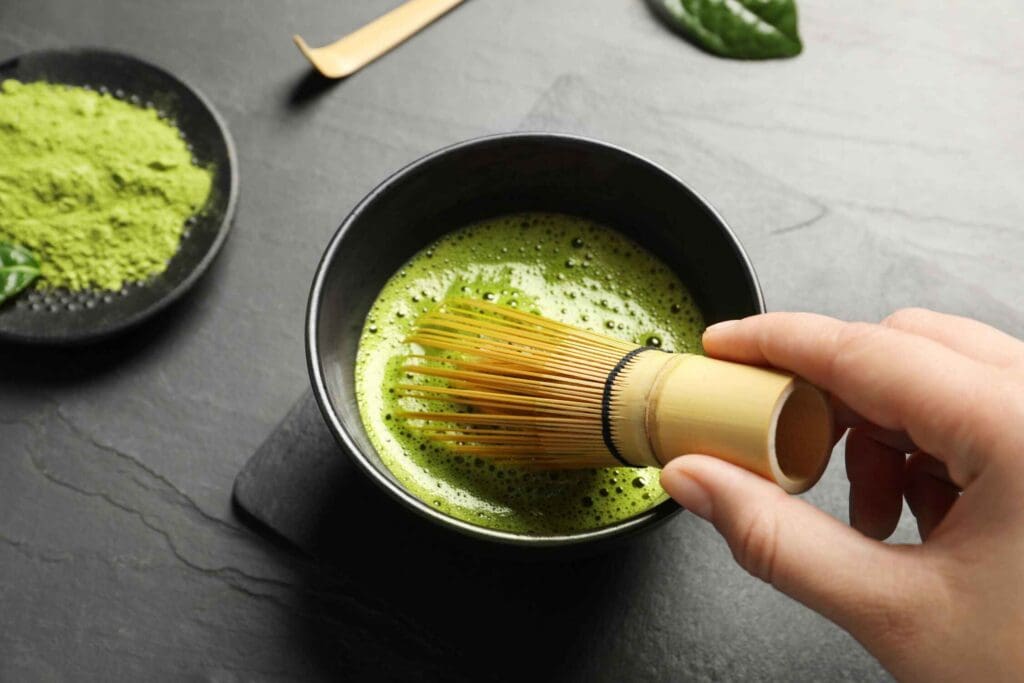
If your very first sip of matcha tasted like a lawnmower bag, tea quality was almost certainly the culprit. The type of matcha powder a café uses makes an enormous difference:
- Ceremonial Grade: Crafted specifically to be enjoyed as a beverage. Made from young, shade-grown tea leaves that develop high levels of chlorophyll and natural sweetness, it is ground into a vibrant green powder that tastes silky smooth.
- Culinary Grade: Harvested from older leaves and processed for cooking. It has a much bolder, astringent, and bitter flavor designed to stand up against heavy baking ingredients in brownies, ice cream, or cakes.
If a café uses cheap culinary matcha in a latte, the drink will taste dull, swampy, and bitter. High-quality ceremonial matcha, on the other hand, is pure magic in a cup.
Step 1: Pick Your Base Style
All matcha drinks start with finely ground green tea leaves whisked with liquid. What changes isn’t the matcha itself, but how it is prepared and what shares the glass:
1. Hot Matcha (The Cozy Classic)
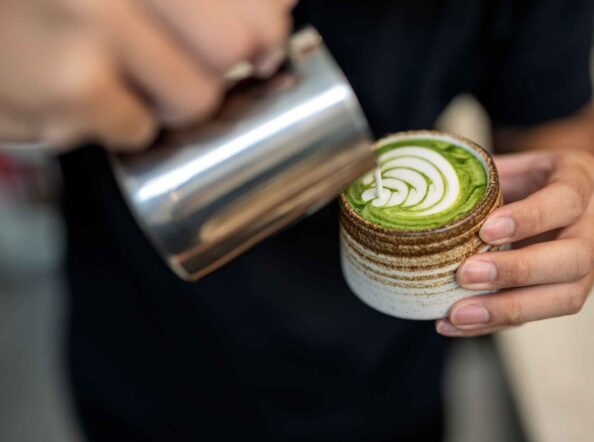
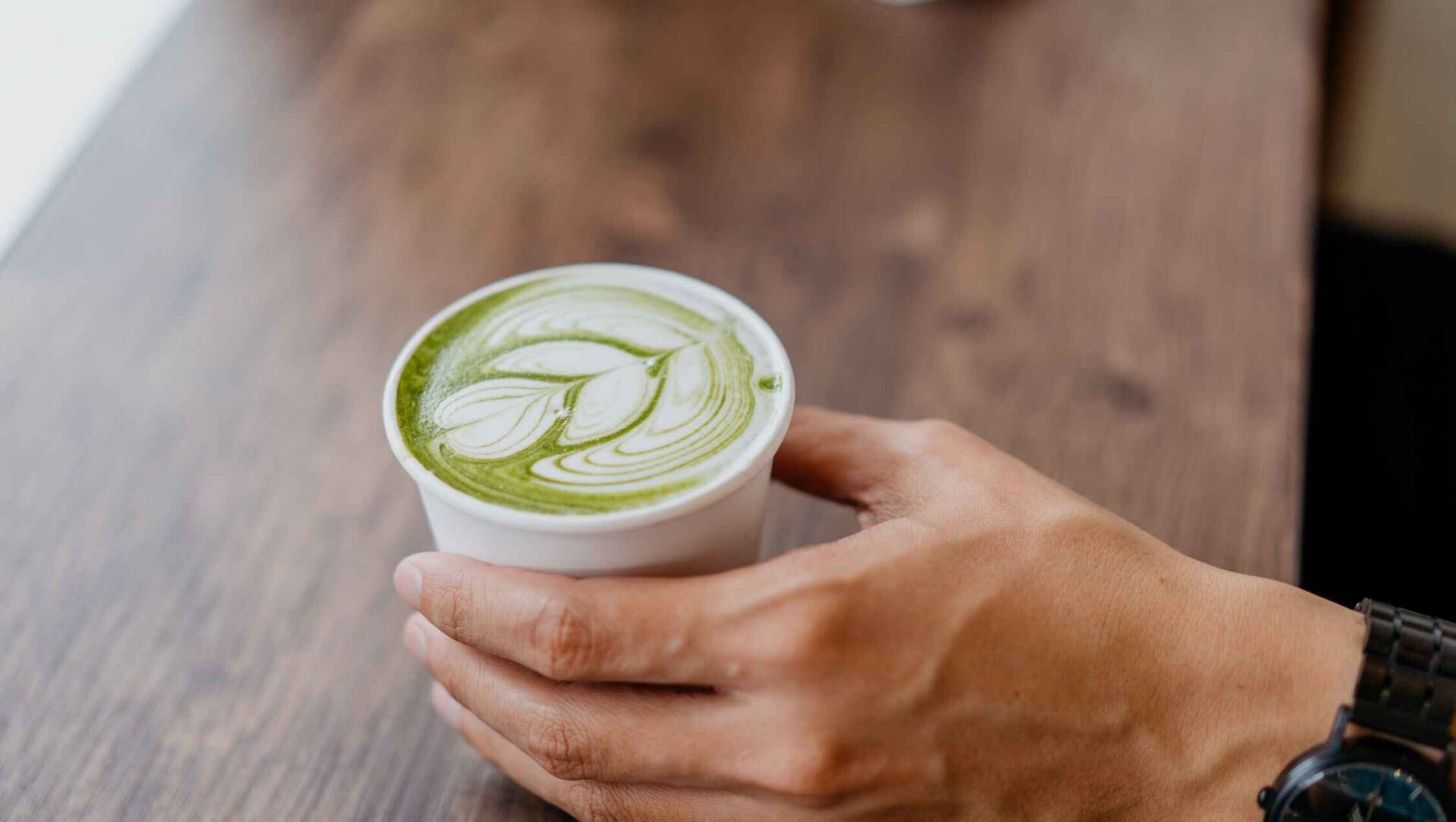
Traditionally whisked with hot water, or combined with warm milk for a cozy latte, this style puts the tea’s natural flavor front and center. Hot water unleashes the matcha’s rich aroma and subtle umami notes. If you love slow mornings and warm mugs, this is your perfect starting point.
2. Iced Matcha (Smooth and Refreshing)
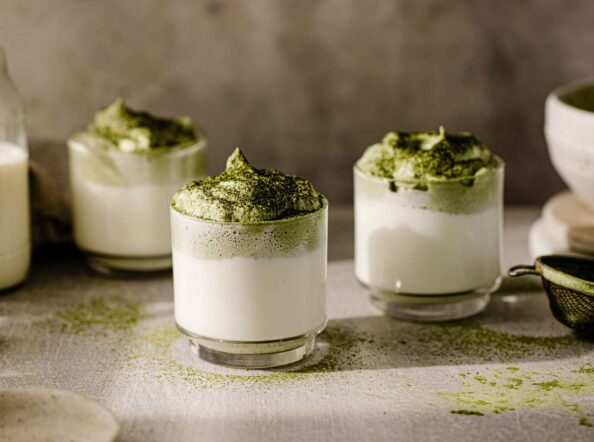
Served cold over ice and typically mixed with your favorite milk. Cold temperatures soften matcha’s earthier notes, making iced matcha incredibly smooth, crisp, and approachable. It is the ultimate gateway drink for beginners and the official beverage of sunny afternoons.
3. Dirty Matcha (The Coffee Mashup)
No, nobody dropped your drink on the floor! A dirty matcha is simply a matcha latte topped off with a fresh shot of espresso. The earthy, sweet notes of matcha meet the bold, roasted kick of coffee for an energizing, layered mashup. It is built for coffee fans who want a taste of matcha without ditching their daily espresso.
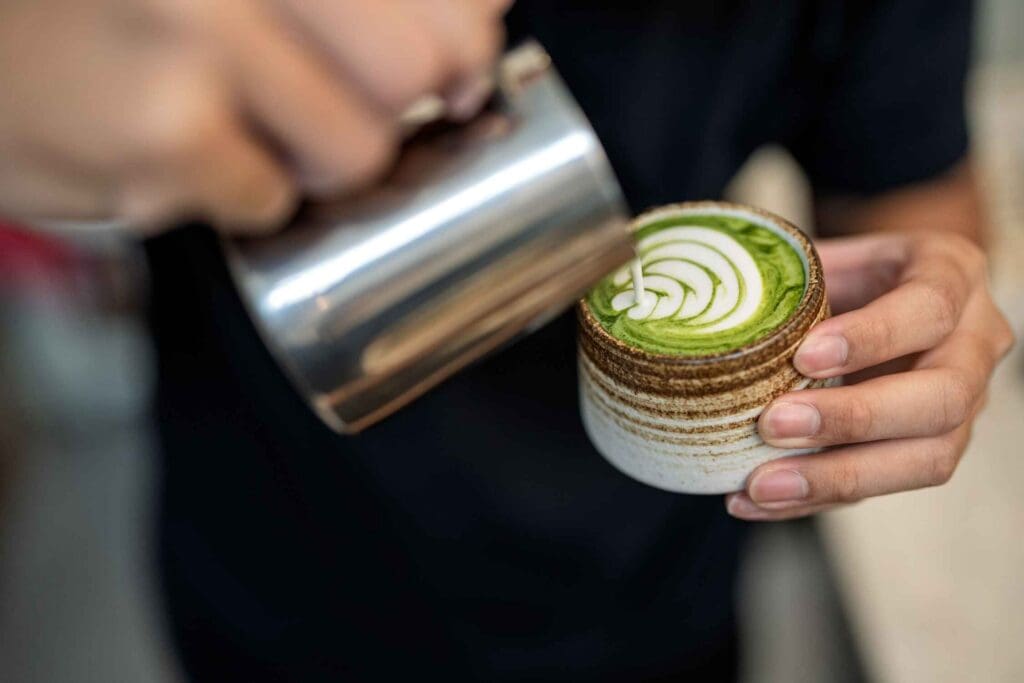
Step 2: Choose Your Milk
The milk you choose forms the backing band for the matcha lead singer. It sets the texture, sweetness, and overall vibe of your drink:
- Oat Milk: Silky, naturally sweet, and the undisputed crowd favorite. It rounds out any grassy notes and creates an ultra-smooth finish.
- Whole Milk: The traditional café gold standard. Rich and creamy, it softens earthy edges for a classic, comforting latte experience.
- Almond Milk: Light and subtly nutty. It creates a lighter drink that lets matcha’s natural vegetal notes shine through clearly.
- Coconut Milk: Brings a light, tropical sweetness and lush texture that pairs ridiculously well with iced drinks on warm days.
- Pistachio Milk: Nutty, buttery, and slightly roasted. It offers a unique, gourmet twist that takes dirty matchas to the next level.
Step 3: Pick a Flavor (Optional)
Here is a big surprise for first-time matcha drinkers: not every matcha latte is automatically sweet. Some cafés serve matcha unsweetened by default, while others add syrup. You get to decide how sweet you want your cup:
- Unsweetened: Pure matcha flavor. Perfect for experiencing ceremonial-grade tea without any competing flavor profiles.
- Honey: A gentle, floral sweetness that rounds out earthy tea notes for a comforting, balanced finish.
- Vanilla: Warm and familiar. It softens grassy notes and provides an easy transition for former vanilla coffee drinkers.
- Fruit: Bright, fruity, and colorful. Fresh fruit like strawberries contrasts beautifully with earthy tea for a fun, vibrant drink.
- Maple: Adds a rich, caramel-like warmth that feels cozy in hot lattes and decadent over ice.
- Cookie Butter: Spiced, sweet, and indulgent. Perfect for anyone who considers dessert their favorite food group.
Quick Cheat Sheet: What Should You Order First?
Still feeling overwhelmed by the menu choices? Match your order directly to the drinks you already love:
- If you love coffee: Order a Dirty Matcha with Oat Milk.
- If you love pure green tea: Order a Hot Traditional Ceremonial Matcha.
- If your go-to order is an iced coffee: Order an Iced Matcha Latte with Oat Milk.
- If you have a massive sweet tooth: Order an Iced Dessert-Based Matcha Latte.
- If you prefer subtle, low-sugar drinks: Order an Unsweetened Iced Matcha Latte.
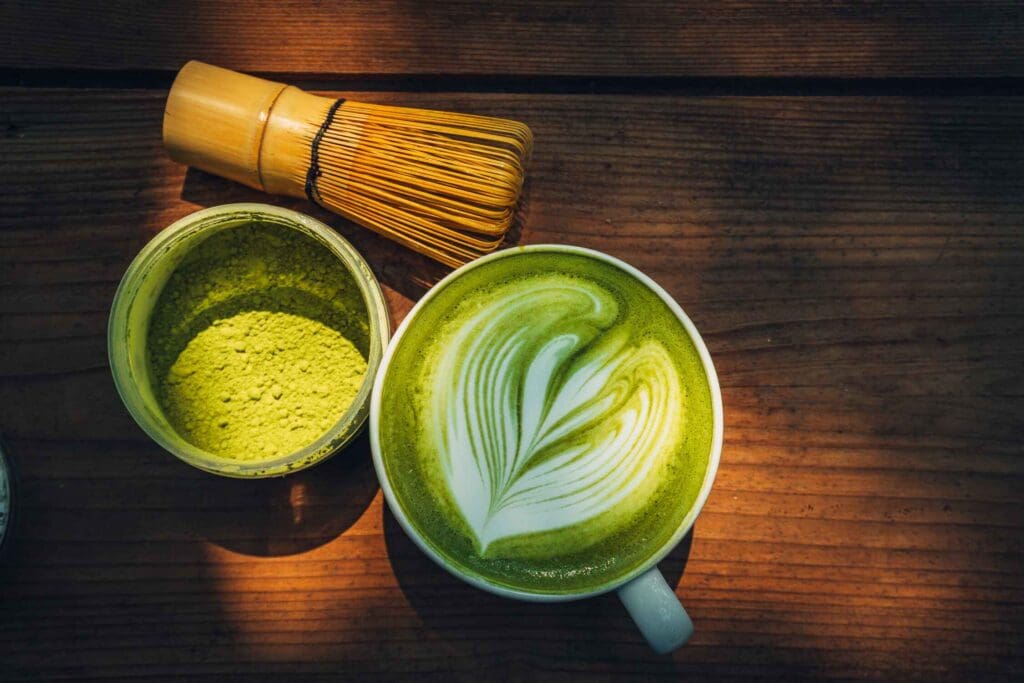
Common Matcha Myths: Busted!
- Matcha has way more caffeine than coffee: False! A standard matcha serving contains about 35 to 70 mg of caffeine, compared to coffee’s 95 to 150 mg. Matcha feels more energizing because of L-theanine, an amino acid that slows caffeine absorption for smooth, steady focus without jittery crashes.
- You have to drink it hot, or you are doing it wrong: False! Traditional whisked hot bowls are wonderful, but iced, fruity, and dirty matchas are completely valid and just as delicious.
- Matcha is an exclusive club for tea purists: False! Everyone is welcome. You do not need fancy equipment or etiquette rules to enjoy a bright green drink.
Frequently Asked Questions
Does matcha taste like regular steeped green tea?
Yes, but much richer! Because you consume the entire ground leaf rather than steeping a bag and throwing it away, matcha is far creamier, sweeter, and more nutrient-dense than traditional green tea.
Is matcha supposed to taste overwhelmingly bitter?
Not high-quality matcha! Ceremonial grade matcha is naturally smooth and sweet. Heavy bitterness usually indicates low-grade culinary powder, improper whisking, or water that was boiled too hot.
Can I customize my drink order?
100%! Swapping milks, adjusting sweetness, and adding fruit purées or espresso shots is half the fun of building your signature café order.
So… Which Matcha Will You Try?
There is no single “correct” way to drink matcha. The best order is simply the one in your hand that makes you excited for the next sip!
At Banana Daddy, we are obsessed with serving vibrant, ceremonial-grade matcha that is silky smooth, perfectly balanced, and never boring. Pick the style that fits your mood today, take that first sip, and enjoy. Life is far too short for boring drinks!
Share this article