How to Make Matcha at Home: The Ultimate Beginner’s Guide
So, you finally bought that beautiful tin of ceremonial-grade matcha. Maybe your social feed convinced you. Maybe your favorite cafe serves a matcha latte that’s become part of your daily routine. Or maybe you’re just curious what all the bright green hype is about.
Then reality hits.
Your first cup tastes surprisingly bitter. The powder refuses to dissolve. Tiny green clumps float around your mug like they’re protesting your life choices. And suddenly you’re wondering if you also need a degree in Japanese tea ceremony.
The truth is, matcha isn’t difficult to make; it just has a few quirks. Once you understand a handful of simple techniques, you’ll be making smooth, vibrant matcha that tastes remarkably close to what you’d order at your favorite café. Trust us on this one.
Whether you want to enjoy a traditional bowl of matcha, whip up a creamy iced latte, or simply understand what makes one matcha powder better than another, this guide will walk you through everything you need to know.
Think of this as your introduction to the world of matcha. No complicated tea ceremony required or expensive equipment required. Just practical advice, a few insider tips, and everything you need to start enjoying one of Japan’s most celebrated beverages.
Ready to get whisking? Let’s start with the basics and uncover what makes matcha unlike any other tea you’ve had before. Get ready because your mornings are about to get a serious glow-up.
What Exactly Is Matcha Green Tea?
If green tea and coffee had a calm, collected best friend, it’d be matcha.
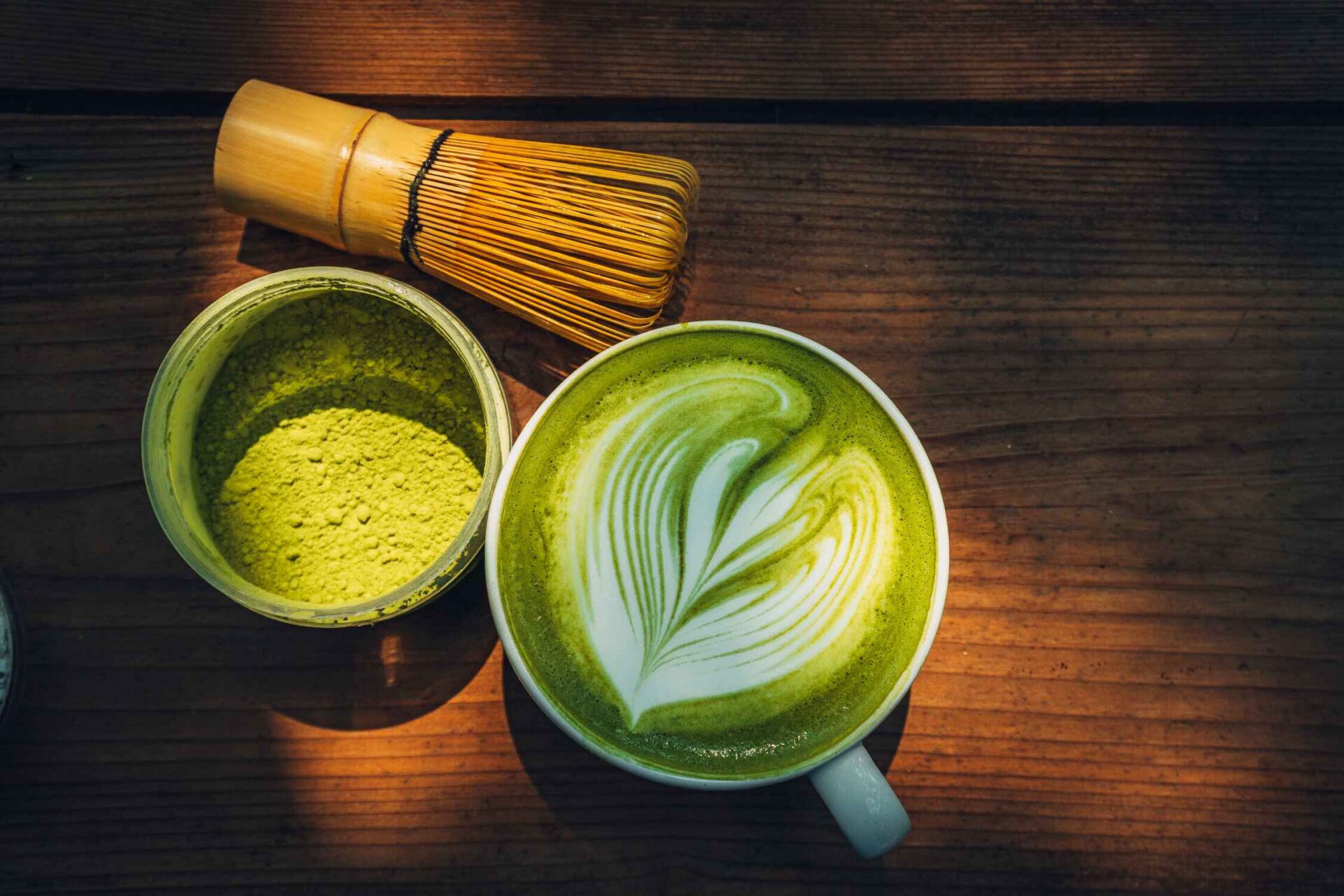
At first glance, matcha looks like just another green tea. But the way it’s grown, harvested, and prepared makes it a completely different experience. Instead of steeping tea leaves in hot water and tossing them out, matcha lets you enjoy the entire leaf. Finely stone-ground into a vibrant green powder that is whisked into your drink.
That’s what gives matcha its signature color, creamy texture, and naturally concentrated nutrients. It’s also why a good cup of matcha feels richer, smoother, and more satisfying than your average green tea.
The best part? You don’t need to master a centuries-old tea ceremony to appreciate it. Once you understand what makes matcha unique, the rest becomes surprisingly simple.
How Matcha Differs From Regular Green Tea
Although both come from the same plant (Camellia sinensis), matcha and traditional green tea take very different paths from leaf to cup.
| Matcha | Regular Green Tea |
| Finely ground tea leaves whisked into water | Whole tea leaves steeped in hot water |
| You consume the entire leaf | You only drink the brewed infusion |
| Naturally richer, creamier texture | Light, clear-bodied tea |
| Higher concentration of antioxidants and naturally occurring L-theanine | Lower concentration since the leaves are discarded after steeping |
| Prepared with a whisk for a smooth, frothy finish | Simply steeped for several minutes |
Think of it like the difference between eating a fresh orange and drinking orange-infused water. Both come from the same fruit, but one delivers the whole experience.
The Secret Happens Before Harvest
Here’s where matcha starts showing off.
Several weeks before harvest, Japanese tea farmers cover the tea plants with shade cloth, dramatically reducing the amount of sunlight they receive. It’s a centuries-old growing technique that completely changes the chemistry of the leaves.
With less sunlight available, the plants respond by producing more chlorophyll, giving matcha its unmistakable vibrant emerald-green color. At the same time, they retain higher levels of naturally occurring L-theanine, an amino acid that contributes to matcha’s signature smooth, mellow character.
After harvesting, the leaves are carefully steamed to preserve their freshness, dried, and stripped of their stems and veins. What’s left is known as tencha. The delicate leaf is slowly stone-ground into the silky powder we know as matcha. And plot twist: that brilliant green color isn’t food coloring or marketing magic. It’s nature doing what it does best.
What Does Good Matcha Actually Taste Like?
This is where many beginners get confused.
If your only experience with matcha came from a bitter café drink or a low-quality powder sitting in the back of your pantry, you might think matcha is supposed to taste aggressively grassy.
It’s not.
High-quality matcha is surprisingly balanced. The first sip is smooth and vegetal, followed by a gentle natural sweetness and a rich, savory depth known as umami. Instead of overwhelming bitterness, you’ll notice a creamy finish that lingers pleasantly on your palate.
A slight bitterness is perfectly normal; after all, you’re drinking the entire tea leaf, but it should complement the flavor, not dominate it.
If your matcha tastes harsh, chalky, or overwhelmingly bitter, the culprit is usually one of three things:
- Low-quality matcha powder
- Water that’s too hot
- Incorrect preparation
The good news? All three are easy to fix.
How to Choose the Right Matcha Powder
Walk into any grocery store or scroll through an online marketplace, and you’ll find dozens of matcha options claiming to be “premium,” “ceremonial,” or “authentic.” The packaging is beautiful. The buzzwords are convincing. The prices? All over the place.
So how do you know which one is actually worth whisking?
The good news is you don’t need the most expensive tin on the shelf to enjoy great matcha. You just need to know what to look for, and what to avoid.
Let’s start with the question almost every beginner asks.
Ceremonial Grade vs. Culinary Grade
You’ve probably seen these labels everywhere, but they’re not official industry standards. Think of them as helpful guidelines rather than strict rules.
In general, ceremonial grade matcha is intended to be enjoyed on its own with water, while culinary grade is designed to shine in recipes where it’s paired with milk, sweeteners, or baked into desserts.
Here’s a quick comparison:
| Grade | Color | Best For | Typical Price Point |
| Ceremonial Grade | Vibrant emerald green | Traditional hot matcha, iced matcha, premium lattes | Higher |
| Culinary Grade | Deeper green to olive green | Smoothies, baking, desserts | More budget-friendly |
If you’re planning to drink matcha every morning with just water, ceremonial grade is worth the investment. Its smoother flavor and natural sweetness really get a chance to shine.
If your go-to order is an iced matcha latte with oat milk or a touch of honey, a good culinary-grade matcha can be a fantastic choice. The milk softens the tea’s natural bitterness, making it more forgiving for beginners.
1. Look for a Bright, Vibrant Green Color
Color tells you a lot before you ever take a sip.
High-quality matcha should be a vivid, almost electric green. That vibrant color comes from the shade-growing process we talked about earlier, which boosts chlorophyll and helps preserve the tea’s delicate flavors.
If the powder looks dull, yellowish, or brownish olive, it’s usually a sign that the leaves were harvested later, exposed to too much light, or simply aren’t as fresh.
As a general rule:
Bright emerald green = usually fresher and smoother
Dull olive or yellow-green = often more bitter and better suited for cooking
While color isn’t the only indicator of quality, it’s one of the easiest things to check before you buy.
2. Check Where It Comes From
Not all matcha is created equal.
The world’s most respected matcha comes from Japan, where tea-growing traditions have been refined over centuries. While great tea can be grown elsewhere, beginners will generally have the best experience starting with Japanese-produced matcha.
Some of the most well-known growing regions include:
- Uji (Kyoto): Famous for rich umami and exceptional ceremonial matcha.
- Kagoshima: Produces smooth, naturally sweet matcha with a clean finish.
- Nishio (Aichi): Well-known for consistently high-quality matcha that’s excellent for both traditional tea and modern lattes.
If the packaging clearly lists one of these regions or at least states that the matcha was produced in Japan, then that’s usually a good sign.
On the other hand, be cautious of products that simply say “matcha” without mentioning where the tea was grown or processed. Transparency often reflects the producer’s confidence in their product.
3. Feel the Texture (If You Can)
This tip is easy to overlook, but it’s surprisingly important.
Quality matcha should feel incredibly fine, almost like powdered sugar or cornstarch. When whisked properly, it dissolves easily and creates a silky, creamy texture.
Lower-quality matcha tends to be coarser and grainier. Those larger particles don’t suspend as well in water, which can lead to a chalky mouthfeel and stubborn clumps.
Of course, if you’re shopping online, you can’t run your fingers through the powder first. That’s where product photos and customer descriptions can help. Look for words like:
- Stone-ground
- Silky
- Fine texture
- Smooth whisking
- Vibrant green
These aren’t guarantees, but they’re encouraging signs when paired with transparent sourcing.
A Beginner’s Buying Checklist
Before adding a matcha to your cart, ask yourself these four questions:
- Is it produced in Japan?
- Does it have a bright emerald-green color?
- Is it intended for the way I plan to drink it (ceremonial or culinary)?
- Does the brand clearly explain its sourcing and quality?
If you answered “yes” to most of those, you’re already ahead of where many first-time matcha drinkers start.
Because here’s the thing: even the best whisking technique can’t completely rescue a poor-quality bitter powder. But a well-made matcha? It does a lot of the heavy lifting for you.
Now that you’ve picked your matcha, let’s talk about the equipment. And don’t worry, you don’t need a traditional tea room or a drawer full of bamboo tools to make a fantastic cup. Seriously, your kitchen is probably more prepared than you think.
Essential Matcha Equipment – To Master At-Home Matchas
One of the biggest myths about matcha? That you need a beautifully curated tea station and a collection of traditional Japanese tools before you can make a decent cup.
You don’t.
Traditional tools have been used for centuries because they make preparing matcha easier and more enjoyable. But if you’re just getting started, chances are you already own a few kitchen items that can get surprisingly close.
Think of the traditional tools as the dream setup and the modern alternatives as the “it’s Tuesday morning, and I need my matcha” setup.
Either way, you’ll end up with a delicious cup.
Traditional Tools vs. Everyday Alternatives
| Traditional Tool | What It Does | Easy Everyday Alternative |
| Bamboo Whisk (Chasen) | Creates a smooth, frothy matcha without overmixing. | These are less than $10 online and are worth the investment to make a great matcha |
| Bamboo Scoop (Chashaku) | Measures a consistent amount of matcha powder. | Measuring teaspoon |
| Tea Bowl (Chawan) | Wide bowl that gives you room to whisk properly. | Small cereal bowl or wide mug |
| Whisk Holder (Kusenaoshi) | Helps the bamboo whisk maintain its shape after use. | Air-dry your whisk on a clean towel or upright in a cup |
Traditional tools certainly add to the ritual, but don’t let them become a barrier. Great matcha is about technique more than collecting accessories. Your matcha doesn’t care if it came together in a handcrafted tea bowl or your favorite oversized mug.
The Bamboo Whisk: The MVP of Traditional Matcha
If there’s one traditional tool that’s genuinely worth owning, it’s the chasen, or bamboo whisk.
Unlike a metal whisk, its dozens of delicate bamboo tines are designed to suspend the fine tea particles evenly throughout the water while creating the signature layer of tiny foam on top.
That frothy finish isn’t just for looks. It helps create a smoother mouthfeel and distributes the matcha more evenly, so every sip tastes balanced.
With proper care, a quality bamboo whisk can last several months or even longer with regular use.
A Fine Mesh Strainer: The Unsung Hero
Here’s one inexpensive tool that’s worth adding to your kitchen even if you skip everything else.
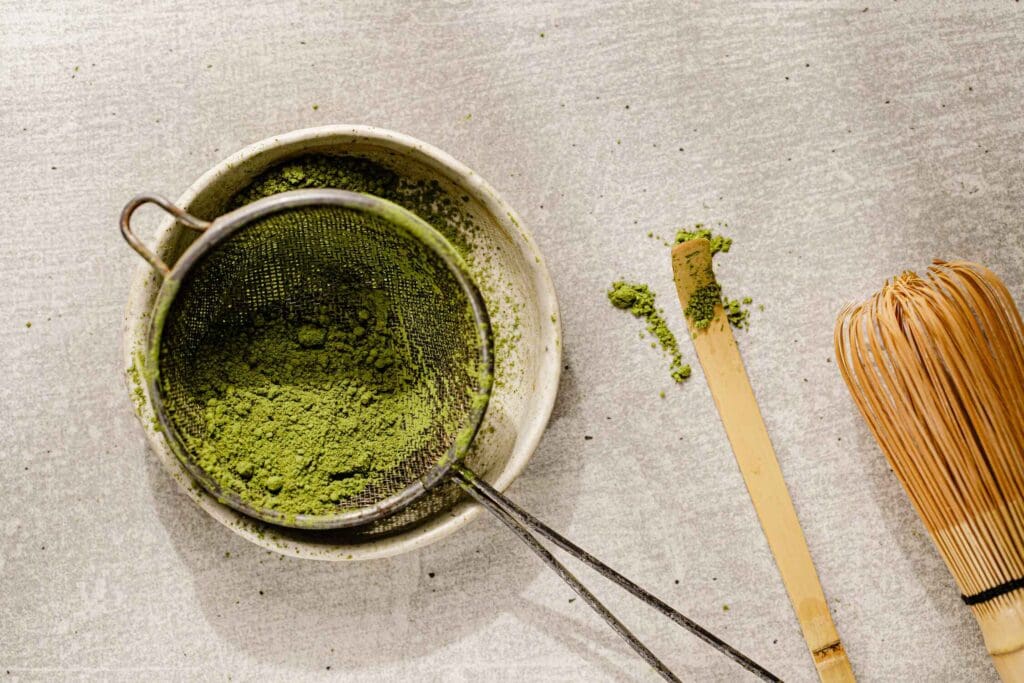
A small fine mesh strainer helps sift the matcha before you add water, breaking apart tiny clumps that naturally form as the powder settles. This one simple step can dramatically improve the texture of your drink. If you’ve ever wondered why café matcha feels impossibly smooth while yours tastes a little chalky, this is often the difference. It’s a 10-second step that saves you from chasing stubborn green clumps around your cup.
Do You Need Traditional Equipment?
Not at all. Many longtime matcha drinkers happily use a milk frother every morning because it’s fast, convenient, and consistently produces a great drink.
Others enjoy slowing down with a bamboo whisk because they love the ritual just as much as the matcha itself. Neither approach is more “correct.”
The best equipment is the one that fits your routine. If making matcha feels complicated, you’re less likely to keep doing it. If it feels approachable, it quickly becomes one of those small daily rituals you actually look forward to.
So start simple. Upgrade later if you want. And if you’re wondering whether it’s really possible to make café-worthy matcha without a bamboo whisk, the answer is yes.
How to Prepare an Iced Matcha (Step-by-Step Guide)
Now that you’ve chosen a quality matcha and gathered your tools, it’s time to make your first cup.
Here’s some good news: making matcha isn’t about perfection. There’s no secret handshake, no centuries-old technique you have to master overnight. A few simple habits will take you from clumpy and bitter to smooth and balanced in just a couple of tries.
The biggest difference between a great cup and a disappointing one usually comes down to three things:
- Fresh, quality matcha
- The right water temperature
- Proper whisking
Get those right, and you’re already ahead of most first-timers.
Let’s walk through it together.
Step 1: Sift the Matcha Powder
Before adding any water, sift 1–2 teaspoons (about 1–2 grams) of matcha through a fine mesh strainer directly into your bowl or mug.
It might seem like an unnecessary extra step, but it’s one of the easiest ways to improve your matcha.
Because matcha is an incredibly fine powder, it naturally absorbs moisture from the air and forms tiny clumps during storage. Those little lumps don’t dissolve easily, no matter how enthusiastically you whisk.
Sifting breaks them apart before they ever touch the water, giving you a noticeably smoother drink.
Step 2: Add Hot Water, Not Boiling Water
Pour 2 ounces (60 ml) of hot water over the sifted matcha.
Aim for a water temperature of around 160°F.
This is one of the biggest beginner mistakes. Boiling water may seem harmless, but it can scorch the delicate tea leaves, making the matcha taste harsh, bitter, and overly astringent.
No thermometer? No problem.
Simply bring water to a boil, then let it cool for about 2 minutes before pouring.
Your taste buds will thank you.
Quick Tip: If your matcha consistently tastes bitter, the water temperature, not the matcha itself, is often the culprit.
Step 3: Whisk in a “W” or “M” Motion
Using a bamboo whisk (or an electric milk frother), whisk vigorously in a quick “W” or “M” motion for 15–30 seconds.
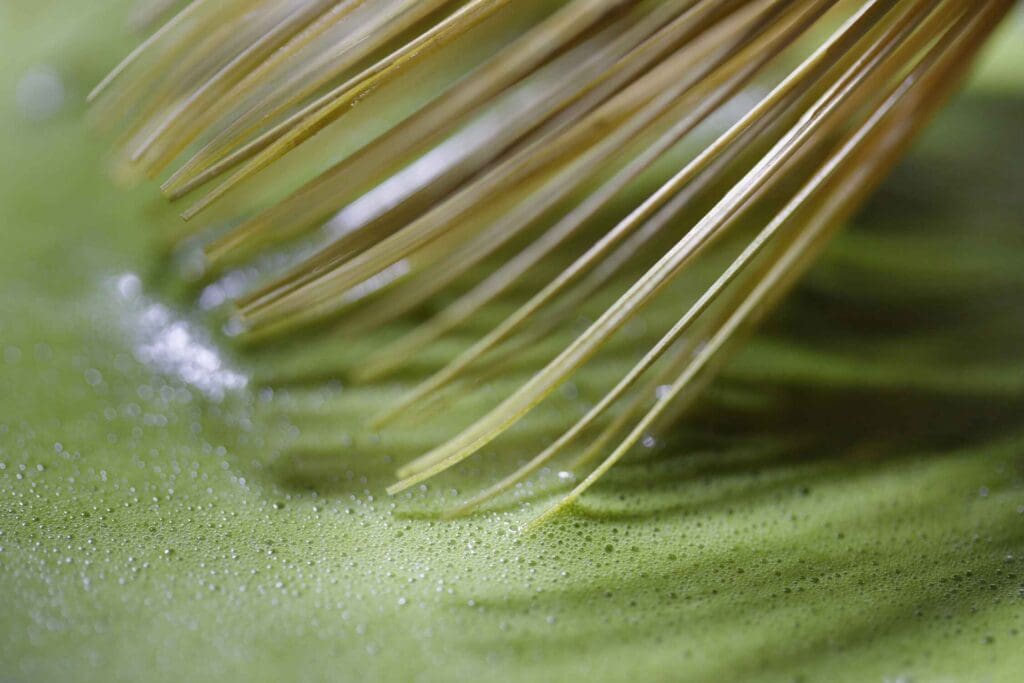
The goal isn’t to stir the powder into the water. It’s to suspend the matcha evenly while creating a thin layer of tiny, delicate foam across the surface.
Avoid whisking in circles. Circular motions tend to push the powder around the bowl instead of fully incorporating it.
A properly whisked matcha should have:
- A smooth, even consistency
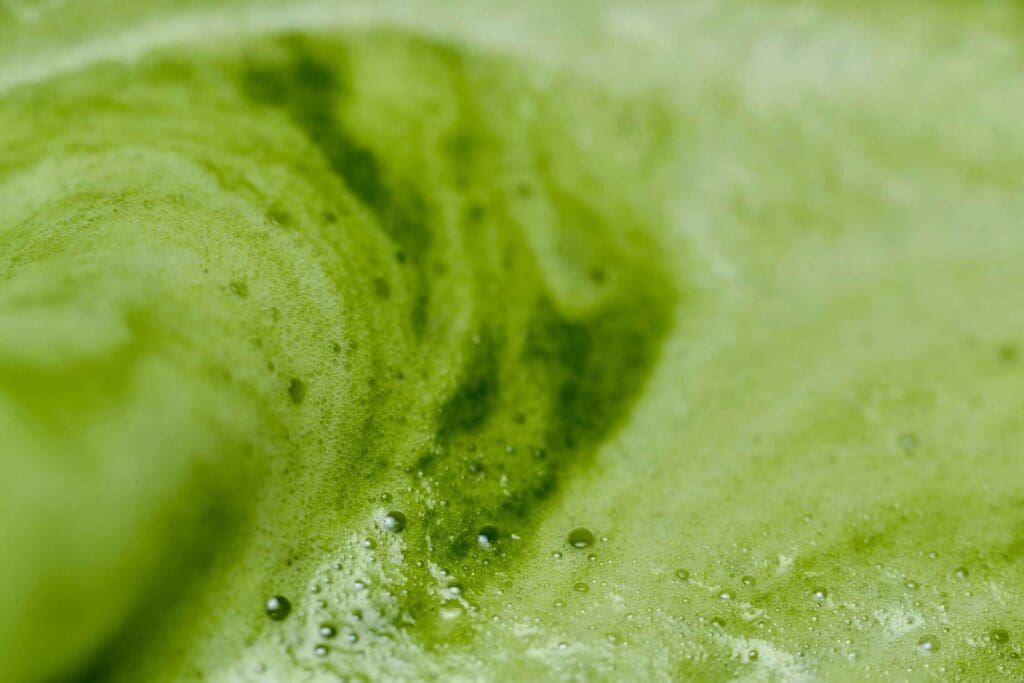
- Fine microfoam across the top
- Little to no visible clumps
- A vibrant green appearance
Don’t worry if your first attempt isn’t café-perfect. Even seasoned matcha drinkers occasionally end up with a few bubbles that have a mind of their own.
Step 4: Top Up and Enjoy
Once your matcha is smooth and frothy, it’s ready to drink.
You have a few options depending on your mood.
For a traditional bowl of matcha, simply add a little more warm water until it reaches your preferred strength.
If you’re craving something creamier, add steamed milk for a comforting matcha latte. Or let it cool slightly before pouring it over ice for a refreshing afternoon pick-me-up.
One of the best things about matcha is how adaptable it is. Once you’ve mastered the basic whisking technique, you can easily adjust the ratio of water and milk to suit your personal taste.
Traditional Matcha Ratios at a Glance
| Style | Matcha | Water | Result |
| Usucha (Thin Matcha) | 1–2 tsp (1–2 g) | 2–3 oz (60–90 ml) | Light, smooth, everyday drinking |
| Koicha (Thick Matcha) | 3–4 tsp (3–4 g) | About 1 oz (30 ml) | Rich, concentrated, ceremonial style (best with high-quality ceremonial matcha) |
If you’re just getting started, Usucha is the perfect place to begin. It’s the style you’ll find in most cafés and the foundation for many matcha-based drinks.
Expert Tip: Choosing the Best Milk for Matcha
The milk you choose can completely change the flavor of your drink.
Oat Milk
Creamy and naturally sweet, oat milk complements matcha’s earthy flavor beautifully. It’s one of the most popular dairy-free choices because it enhances the tea without overpowering it.
Whole Milk
Rich and velvety, whole milk creates a smooth, café-style latte with balanced sweetness. If you’re after a classic matcha latte, this is a fantastic option.
Almond Milk
Lighter with a subtle nutty flavor, almond milk pairs well with matcha but can allow a little more of the tea’s natural bitterness to come through. If you enjoy a more pronounced matcha flavor, it’s an excellent choice.
Pro Tip: If you’re still getting used to matcha, start with oat or whole milk. Their natural creaminess softens the tea’s earthier notes without hiding its character.
Should You Sweeten Matcha?
This is entirely up to you. High-quality ceremonial matcha is naturally smoother and slightly sweeter than many beginners expect, so you may find it doesn’t need anything extra.
If you’d like to add a little sweetness, choose ingredients that complement rather than compete with the tea. Some beginner-friendly options include:
- Honey
- Maple syrup
- Vanilla syrup
- Date syrup
- Agave nectar
Start small; you can always add more. The goal isn’t to make matcha taste like dessert. It’s to enhance its naturally balanced flavor.
Finding Your Matcha
One of the best things about making matcha at home is that every cup teaches you something.
Maybe you discover you love it strong and traditional. Maybe you’re firmly on Team Iced Latte. Or maybe you become the person who keeps a jar of homemade honey-vanilla syrup in the fridge because your afternoon matcha has become a daily ritual.
There isn’t a wrong answer. The best matcha is the one you’ll actually look forward to making again tomorrow.
Now that you know how to prepare and enjoy matcha, let’s troubleshoot the three issues nearly every beginner runs into at least once: bitterness, stubborn clumps, and a drink that falls a little… flat. The good news? They’re all easy fixes once you know what to look for.
Common Beginner Matcha Mistakes (And Easy Fixes)
Let’s get one thing out of the way: almost everyone makes a less-than-stellar cup of matcha at first.
Maybe it tastes bitter. Maybe it looks more like green paint than a silky tea. Maybe the powder stubbornly floats on top, refusing to cooperate.
The good news? These aren’t signs that you’re “bad at making matcha.” They’re simply a few common hiccups that are surprisingly easy to fix.
Here are the three biggest mistakes beginners run into and exactly how to solve them.
Problem #1: My Matcha Tastes Bitter
If your first reaction after taking a sip is “Why does this taste like grass?”, don’t write off matcha just yet.
A well-made matcha should have a pleasant vegetal flavor with gentle sweetness and rich umami. While a slight bitterness is completely normal, it should never overpower the drink.
The Most Common Causes
- Using boiling water
- Low-quality or stale matcha
- Too much matcha for the amount of water
- Overly oxidized matcha that’s been sitting open for too long
The Easy Fix
The biggest game-changer is lowering your water temperature.
Always aim for 175°F (80°C) instead of boiling water. Water that’s too hot can scorch the delicate tea leaves, bringing out harsh tannins and masking the smoother, sweeter flavors.
Next, make sure you’re using fresh, vibrant green matcha. Even the best preparation technique can’t completely rescue old or poor-quality powder.
Finally, don’t be afraid to adjust your ratio. If you’re just getting started, use slightly less matcha until your palate becomes more familiar with its flavor. Good matcha shouldn’t taste like you’re mowing the lawn. Trust us on this one.
Problem #2: My Matcha Is Clumpy or Chalky
You’ve whisked for what feels like forever…
…and somehow there are still little green islands floating around your cup.
Sound familiar?
This is probably the most common beginner frustration, and thankfully, it’s also the easiest to solve.
Why It Happens
Matcha naturally absorbs moisture from the air.
Even inside a sealed container, those ultra-fine particles can stick together over time, forming tiny clumps that don’t dissolve easily once water is added.
The Easy Fix
Always sift your matcha before whisking. It takes less than 10 seconds, but it makes an enormous difference in texture. Then whisk vigorously using quick “W” or “M” motions rather than stirring in circles.
If you’re using a milk frother, start with a small amount of water first before adding milk. This helps the powder fully disperse before introducing additional liquid.
Problem #3: My Matcha Looks Flat (No Foam!)
You’ve seen those gorgeous café matchas topped with delicate green foam.
Yours?
Not so much.
While foam isn’t required for great flavor, it’s often a sign that the matcha has been properly whisked and evenly mixed.
Why It Happens
Usually it’s one of these:
- Too much water at the start
- Whisking too gently
- Using a spoon instead of a whisk or frother
- Coarser-quality matcha
The Easy Fix
Start by whisking the matcha with only 2 ounces (60ml) of water. This concentrated mixture makes it much easier to create fine microfoam. Once you’ve achieved that silky froth, you can add more water or milk. Also, remember that you’re whisking through the liquid, not around it. Fast, light movements work much better than slow stirring. Think less “mixing pancake batter” and more “convincing tiny tea particles to throw a foam party.”
A Few More Pro Tips
Once you’ve got the basics down, these small habits can take your matcha from pretty good to why is this better than my café order?
Keep It Fresh
Matcha is surprisingly delicate. Light, air, heat, and moisture all affect its flavor and color over time. Store it in an airtight container away from direct sunlight, and reseal it as soon as you’ve scooped out what you need.
Drink It Soon After Whisking
Unlike brewed tea, matcha is suspended in liquid rather than dissolved. Over time, the powder naturally begins to settle, and the foam slowly disappears. For the best flavor and texture, enjoy your matcha shortly after preparing it.
Clean Your Whisk Properly
If you’re using a bamboo whisk, simply rinse it with warm water after each use. Skip the soap; it can leave behind unwanted flavors and dry out the delicate bamboo. Let the whisk air dry on a whisk holder if you have one, or stand it upright so the tines keep their shape.
The best part about learning matcha?
Every cup gets a little better.
Before long, you’ll instinctively know how much powder you like, exactly how warm your water should be, and which recipe fits your morning mood. What once felt intimidating becomes second nature.
Frequently Asked Questions About Drinking Matcha
Even after you’ve learned the basics, it’s normal to have a few lingering questions. Here are some of the most common ones beginners ask before making matcha part of their daily routine.
Can I drink matcha every day?
Yes. For most healthy adults, enjoying matcha every day can be part of a balanced lifestyle.
Because you’re consuming the entire tea leaf, matcha provides antioxidants called catechins, naturally occurring L-theanine, and a moderate amount of caffeine. Many people enjoy it as a morning ritual or an afternoon pick-me-up because it delivers a smoother, more gradual energy boost than coffee.
That said, everyone’s caffeine tolerance is different. If you’re new to matcha, start with one serving a day and see how your body responds.
Does matcha have more caffeine than coffee?
The caffeine content of matcha depends largely on how much powder is used. A 4-gram serving contains approximately 120–140 mg of caffeine based on an average of 30–35 mg per gram, with a broader estimated range of about 75–175 mg. A 6-gram serving contains approximately 180–210 mg, with a broader range of about 110–265 mg.
So why do people often say matcha “feels different”?
The answer is L-theanine. This naturally occurring amino acid works alongside caffeine and may help promote a calmer, more focused feeling. Instead of the quick spike and sometimes crash that coffee drinkers experience, many people describe matcha’s energy as smoother and longer-lasting.
Think of it as steady momentum rather than a caffeine sprint.
Should I mix matcha with water or milk first?
Always start with water.
Whisk the matcha with a small amount of hot water first to create a smooth, lump-free concentrate. Once the powder is fully incorporated, you can add warm milk, cold milk, or more water depending on the drink you’re making.
Adding dry matcha directly to milk often leads to stubborn clumps that are difficult to whisk away.
It’s a simple extra step, but it makes a noticeable difference in both texture and flavor.
How should I store my matcha after opening?
Matcha stays freshest when it’s protected from air, light, heat, and moisture.
After opening, reseal the container tightly after each use and store it in a cool, dry place away from direct sunlight. If you don’t make matcha often, many people choose to store it in the refrigerator to help preserve its vibrant color and fresh flavor. Just be sure the container is airtight to prevent moisture and odors from affecting the powder.
How long does matcha stay fresh?
Unopened matcha typically stays fresh for several months when stored properly. Once opened, it’s best enjoyed within one to two months for the brightest color and most vibrant flavor.
It won’t suddenly “go bad” after that, but you’ll gradually notice the tea becoming duller in both taste and appearance. If your once-bright emerald powder has turned olive green and lost much of its aroma, it’s probably time for a fresh tin.
Is ceremonial-grade matcha worth it for beginners?
It depends on how you plan to drink it, but likely yes. If you’re looking forward to enjoying traditional hot matcha with just water, ceremonial-grade matcha is usually worth the splurge. Its smoother flavor, natural sweetness, and lower bitterness make it much more approachable for first-time drinkers.
If your go-to order is an iced latte with milk, a high-quality culinary-grade matcha often delivers excellent results at a friendlier price.
The best matcha isn’t necessarily the most expensive one; it’s the one that fits how you actually like to drink it.
Ready to Make Your Best Cup Yet?
By now, you know the fundamentals of making great matcha: start with quality powder, use water that’s hot but not boiling, sift before you whisk, and don’t be afraid to experiment until you find your perfect cup.
And when you’d rather let someone else do the whisking, we’ve got you covered.
At Banana Daddy, we’re obsessed with crafting vibrant matcha drinks and banana-powered desserts made with thoughtfully sourced ingredients and plenty of personality. One of our favorites is the Banana Cloud Matcha, made with brewed matcha and milk, layered with our sweet house-made banana syrup, then topped with a velvety banana-infused cloud. It’s a fun way to bring banana and matcha together, and you can recreate the idea at home, too: make a simple banana syrup, whisk your matcha, pour it over milk and ice, then finish with a fluffy banana cloud on top. Whether you’re new to matcha or already a daily drinker, we’d love to share what we’re whisking up.
Because life’s too short for boring drinks… and around here, we don’t do boring.
Share this article