
What to Consider for Food Truck Event Planning in Miami
What to Consider for Food Truck Event Planning in Miami
Miami is built for food truck events. But food truck event planning in Miami takes more than booking a vendor and hoping the forecast behaves. Weather has opinions. Permit requirements vary by neighborhood, and access details can quietly derail a timeline if they're not handled early.
These are the real-world factors that make or break outdoor events across the city, including catering permits in Wynwood and logistics for an outdoor event in Midtown. Plan for them upfront, and everything else runs smoother.
Permit and Regulatory Compliance: Navigating City Requirements
Food truck permits in Miami are not one-size-fits-all. Requirements shift by neighborhood, event type, and the level of public access.
Wynwood Special Event Permits
Wynwood events often require special event permits tied to the arts district regulations. These may apply to street use, music levels, extended hours, or temporary closures. Layout and pedestrian flow are reviewed closely. Events aligned with art walks or festivals may also need coordination with district organizers, along with added conditions around signage, lighting, and truck placement.
Downtown Miami Municipal Requirements
Downtown events typically fall under municipal permitting. That covers food vending and the use of public space. Noise levels and generator use are more tightly controlled. Traffic flow and emergency access are key review points. Additional approvals may be required from property managers or business districts.
Coral Gables Historic District Permits
Coral Gables events require permits through the City's Community Recreation Department. Historic district settings bring stricter rules around appearance, hours, noise, and crowd size. Residential proximity and preservation standards often require pre-approved layouts and contingency plans.
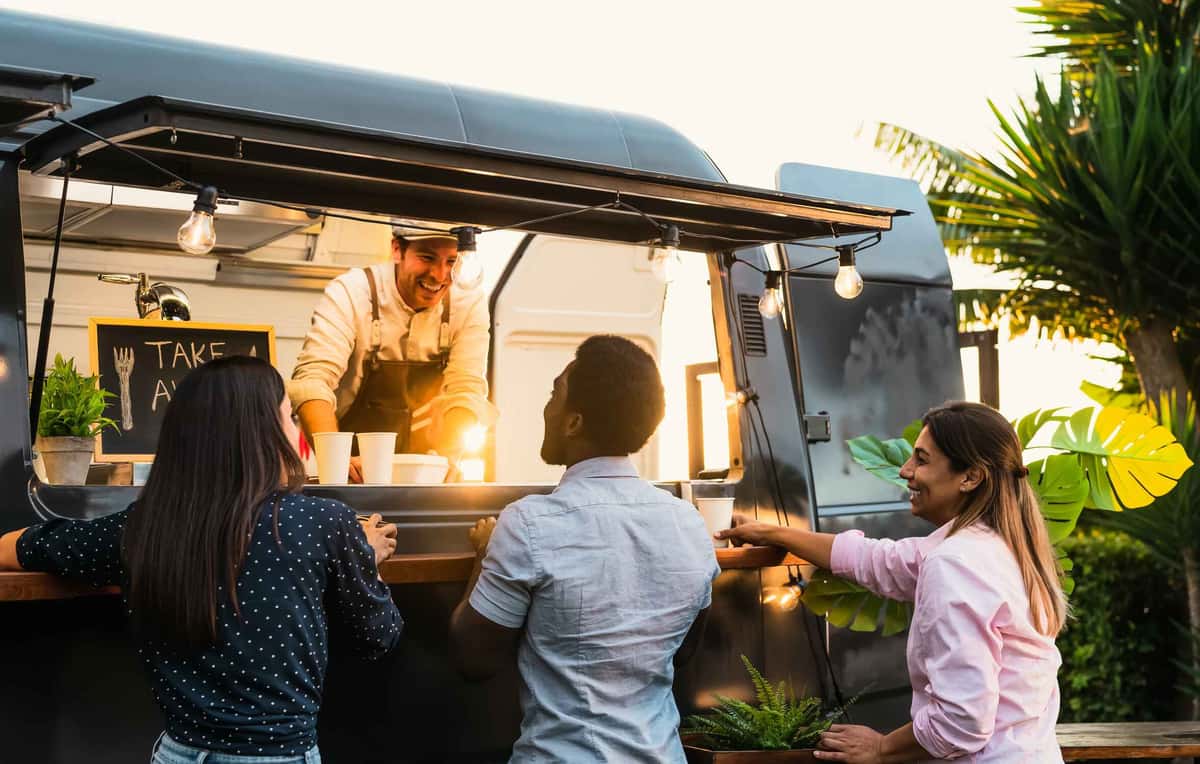
Location Logistics and Access: Coordinating Venue Requirements
Location logistics are where timelines usually get tested. Think about details, like loading zones and setup windows.
Design District Loading Zone Management
The Design District operates on tight loading windows. Setup and breakdown times are often scheduled in advance, with limited flexibility. Trucks may need to stage nearby and rotate in and out.
Foot traffic and valet activity also shape access plans. Clear coordination helps prevent blocked sidewalks and street congestion. Some events require cones or short-term traffic control during setup.
Brickell High-Rise Access Planning
Brickell events require advance approval from most buildings. Delivery timing needs to align with daily operations.
High-rise venues may require security check-ins and reserved freight elevators for supplies or catering equipment.
Midtown Street Access Coordination
Midtown combines active streets with nearby residential buildings. No one likes an obnoxious neighbor, even if they're temporary, so noise, lighting, and service hours need extra consideration.
Street parking is competitive, making reserved spaces or temporary no-parking zones useful for truck access. Communicate with property managers and nearby residents to reduce friction and keep service areas clear.
Power and Infrastructure Requirements: Ensuring Proper Equipment Setup
Not every venue offers the same access, and not every truck can operate under the same conditions. Confirming infrastructure details early prevents service interruptions.
Soft Serve Truck Power Needs
Most food trucks arrive self-contained with onboard generators powering equipment and refrigeration. Planners should still confirm generator type and runtime capacity to ensure compliance with venue rules. Some locations offer shore power, but voltage and amperage must match the truck's requirements to avoid outages.
Venue-Specific Infrastructure Planning
Access to power, water, waste disposal, and other support infrastructure varies by venue. Planners should confirm what is provided on-site versus what the truck must supply itself. Layout and clearance rules affect how trucks can operate in each space.
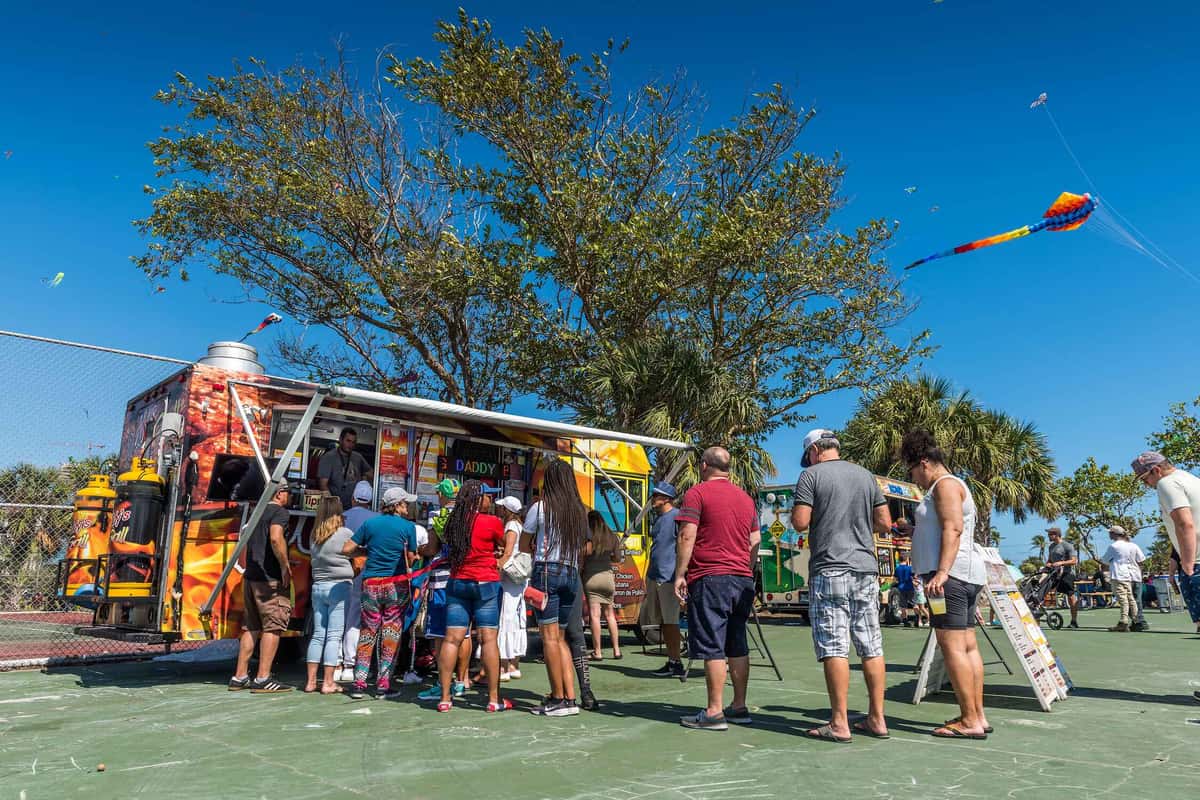
Weather Planning for Outdoor Events: Managing Heat and Rain in Miami
Miami's heat, humidity, and sudden rain can change plans in a moment, especially for outdoor food truck events. Contingency planning keeps service steady when conditions shift.
Midtown Rain Backup Strategies
Midtown works well for rain plans because many venues sit near indoor or semi-covered spaces. Private interiors and retail spaces can absorb guests with minimal disruption if arrangements are confirmed ahead of time. Covered overhangs and tents also help, but planners should account for serving lines, not just seating.
Wynwood Outdoor Event Weather Management
Wynwood offers courtyards, alleyways, and partially covered areas that can function during light rain. These spaces often require approval, especially during art walks or busy weekends. Establishing relationships with galleries or creative venues in advance creates flexible backup options.
Several venues in Wynwood can be rented for events:
Design District Climate Control Solutions
Design District venues typically expect defined weather plans that protect guests and surrounding retail spaces. Covered service areas and controlled guest flow are often required. Planners should confirm how trucks can operate during rain or extreme heat without impacting aesthetics.
Design District Premium Event Spaces:
Operational Contingencies: Handling Access, Layout, and On-Site Changes
Operational contingencies focus on what happens when the site itself creates friction and how to adapt without disrupting service.
Coral Gables Garden Party Alternatives
Events in Coral Gables benefit from having flexible layouts approved in advance. Garden settings and historic properties often limit where trucks can reposition, so backup service areas and adjusted timelines should be pre-cleared to stay within preservation guidelines.
Midtown Urban Event Backups
Midtown events work best with nearby indoor or semi-covered overflow options. Tight sidewalks and steady foot traffic mean planners should be ready to reroute lines or shift timing without blocking access points.
Wynwood Arts District Contingencies
Wynwood events often rely on creative spaces as backups. Studios, galleries, or warehouse spaces can step in when site layouts change, provided access and permissions are confirmed early.
Brickell Commercial Event Emergency Plans
Brickell sites require coordination with building management. Backup plans should account for elevator access, security procedures, layout details, and approved alternate service locations within the property.
Insurance and Liability Management: Protecting Your Event Investment
Many venues will not finalize food truck event details until insurance coverage is confirmed. Get this right early to prevent delays close to the event date.
Brickell High-Rise Event Coverage
Brickell buildings typically require vendors to carry specific liability limits and list the property owner or management company as additionally insured. Proof of insurance is often reviewed before final sign-off.
Wynwood Community Event Insurance
Wynwood events usually require coverage that accounts for public access and heavy pedestrian traffic. Insurance reviewers may focus on crowd flow and proximity to public art or shared spaces, especially during festivals or art walks.
Coral Gables Residential Area Requirements
Insurance requirements in Coral Gables emphasize the protection of property and the surrounding infrastructure. Residential events often need clear liability coverage tied to noise, cleanup, and guest movement, with expectations shaped by preservation standards.
Plan Smart. Serve Smooth.
Food truck events in Miami reward preparation. Permits, access, power, weather plans, and insurance all matter long before guests arrive.
Planning sets the tone. Banana Daddy handles the details that keep outdoor events on track.