
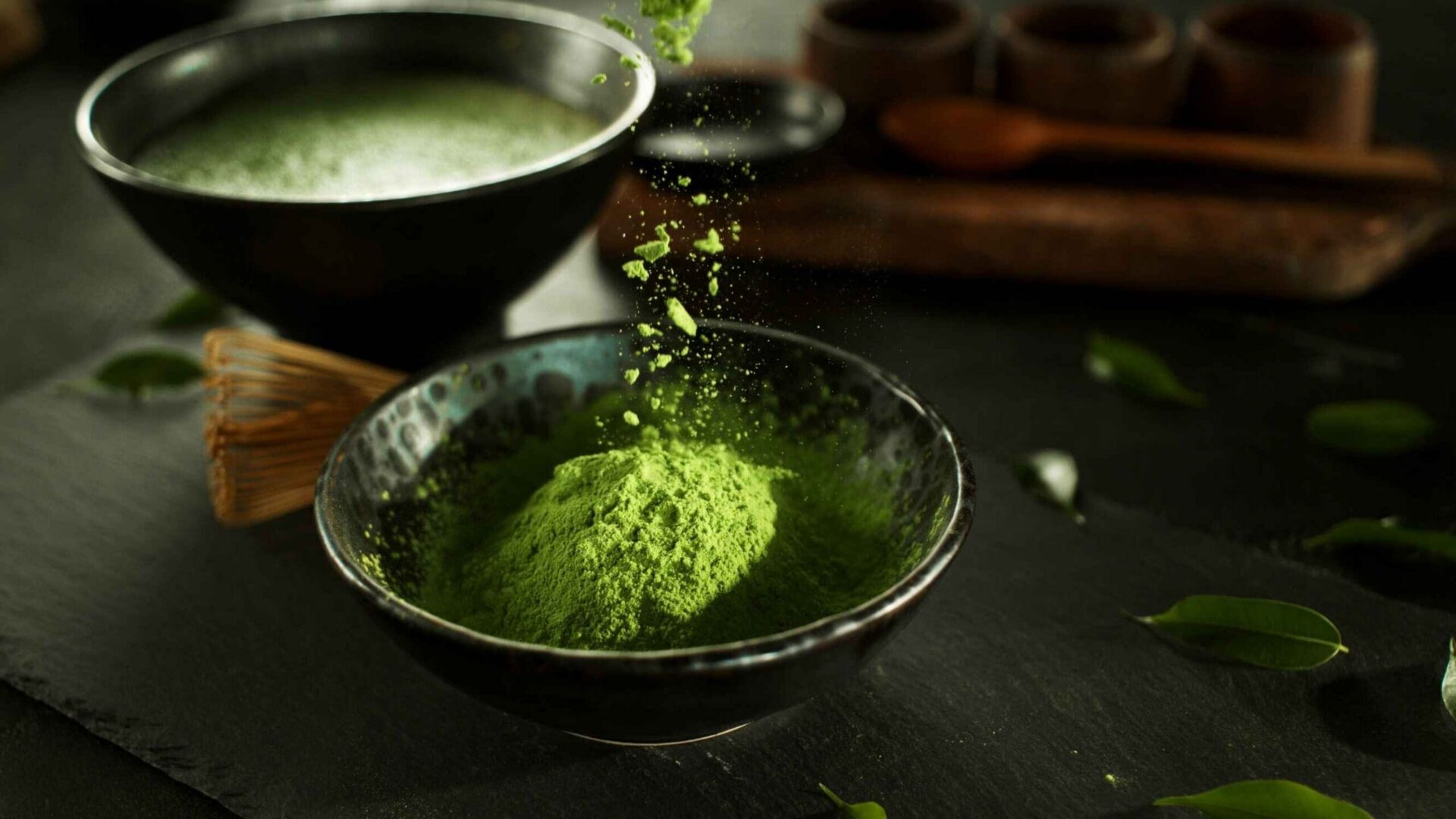
What is Matcha? The Botanical Origins of Matcha Tea
Every traditional tea you’ve probably ever enjoyed, whether it’s a bold English breakfast, a delicate white tea, a fragrant oolong, or a classic green tea, starts its life from the exact same plant. Yep. One plant.
Through a combination of careful shade-growing, meticulous harvesting, and centuries-old craftsmanship, those familiar tea leaves are transformed into the vibrant emerald-green powder we know as matcha. It’s a process that’s equal parts agriculture, science, and artistry.
The Tea Leaf Origin: Camellia sinensis.
Think of Camellia sinensis the way you might think of grapes. The same fruit can become sparkling wine, red wine, rosé, or grape juice depending on how it’s grown and processed. Tea works much the same way. One remarkable plant can produce an incredible range of flavors, aromas, and textures, all thanks to what happens after the leaves are harvested.
That’s why two cups of tea can taste worlds apart, even though they started growing on the very same plant.
One Plant, Many Teas
At first glance, it seems impossible, but the answer lies in processing, not the plant itself.
Every traditional tea begins as fresh leaves from Camellia sinensis. From there, growers use different combinations of harvesting methods, oxidation, steaming, rolling, drying, and aging to create entirely different tea styles. Here’s a quick comparison:
| Tea Type | Plant Source | Processing Method | Consumed As |
| Matcha | Camellia sinensis | Shade-grown, steamed, stems and veins removed (Tencha), stone-ground | Whole leaf powder |
| Green Tea | Camellia sinensis | Sun-grown, steamed or pan-fired, rolled, dried | Steeped leaves |
| Black Tea | Camellia sinensis | Sun-grown, fully oxidized, rolled, dried | Steeped leaves |
So while every one of these teas starts with the same species, the journey each leaf takes is completely different.
Meet Camellia sinensis var. sinensis
There are actually two primary varieties of Camellia sinensis. For premium Japanese matcha, the star of the show is:
Camellia sinensis var. sinensis
This variety is known for its:
- Smaller, more delicate leaves
- Naturally sweeter flavor
- Higher concentration of amino acids
- Excellent cold tolerance
- Smooth, balanced character that’s ideal for premium green teas

It’s the variety most commonly cultivated throughout Japan and parts of China for high-quality green teas, including ceremonial-grade matcha.
There’s also another major variety called Camellia sinensis var. assamica, which has much larger leaves and is commonly grown in regions like India and Sri Lanka. It’s often used for bold black teas because it develops stronger, maltier flavors.
Neither variety is “better” than the other; they’re simply suited for different styles of tea.
For matcha, however, var. sinensis grown in Japan has become the gold standard thanks to its naturally refined flavor and ability to develop rich umami during the shading process.
How Camellia sinensis Is Cultivated Specifically for Matcha
If Camellia sinensis is the star of the show, the growing process is the director behind the scenes. Because matcha undergoes a unique, multi-step journey:
1. The Shading Process
20 to 30 days before the spring harvest, tea farmers cover the bushes with shade cloths. Deprived of direct sunlight, the plant compensates by surging with chlorophyll, giving it a vivid emerald color, and L-theanine, an amino acid responsible for its smooth, savory umami taste and calm energy.
2. Harvest & Steaming
Only the youngest, most tender leaves from the first spring harvest are picked. Immediately after harvesting, the leaves are steamed to halt oxidation, preserving their fresh aroma, nutrients, and bright color.
3. De-Stemming into Tencha
Unlike regular green tea, the leaves aren’t rolled. Instead, the veins and stems are completely removed, leaving only the purest leaf tissue. This refined leaf material is called Tencha.
4. Granite Stone Grinding
The Tencha is slowly ground on traditional granite stone mills. To prevent heat friction from scorching the delicate leaves, mills produce just 30 to 40 grams per hour, roughly one small tin.
Why Drinking the Whole Leaf Changes Everything
Most teas are brewed by steeping leaves in hot water and discarding them, leaving many nutrients behind. But with matcha, you consume the entire leaf.
| Traditional Green Tea | Matcha |
| Leaves are steeped, then discarded | Whole leaf is whisked into the drink |
| Only water-soluble compounds are extracted | You consume the entire leaf |
| Light-bodied infusion | Rich, creamy texture |
| Lower concentration of nutrients per serving | More concentrated nutrients per serving |
That’s one of the reasons matcha has become such a favorite among tea enthusiasts, chefs, and wellness-minded drinkers alike.
Why This Matters Nutritionally
Because you’re consuming the entire leaf, matcha naturally delivers a more concentrated serving of many of the compounds already found in green tea.
One of the most studied is EGCG (epigallocatechin gallate), a naturally occurring catechin that’s recognized for its antioxidant properties. Under comparable serving conditions, matcha can provide significantly higher concentrations of EGCG than traditionally brewed green tea because you’re ingesting the leaf itself rather than simply drinking an infusion.
More Than Just Antioxidants
Matcha’s appeal goes well beyond EGCG. Because it’s made from shade-grown Camellia sinensis, it naturally contains a combination of compounds that contribute to both its flavor and its unique drinking experience. Together, these naturally occurring components help explain why matcha has become a staple in everything from traditional Japanese tea ceremonies to modern cafés around the world.
Frequently Asked Questions About the Matcha Plant
By now, you know that matcha doesn’t come from a mysterious “matcha plant.” But there are still a few questions that pop up time and time again. Here are the answers to some of the most common ones.
Can You Grow a Matcha Plant at Home?
Yes, but with one important caveat.
You can absolutely grow Camellia sinensis at home if you live in the right climate or have the patience to care for it in containers. However, growing a tea plant and producing ceremonial-grade matcha are two very different things. Authentic matcha requires a highly specialized production process, and without those carefully controlled steps, you’ll still have tea, but it won’t be true matcha.
Is Herbal Tea Made from Camellia sinensis?
No. Despite the name, herbal teas aren’t technically tea at all. Most herbal “teas” are actually tisanes. Infusions made from flowers, herbs, spices, roots, fruits, or other plants.
What Part of The Camellia Sinensis Plant Is Used for Matcha?
Premium matcha is made from the plant’s youngest, most tender leaves, typically the fresh top leaves produced during the first spring harvest.
Why Is Matcha Bright Green?
That vibrant emerald color isn’t artificial, and it’s certainly not food coloring. It’s the result of the shade-growing process. When tea plants spend several weeks protected from direct sunlight, they naturally produce more chlorophyll as they adapt to lower light conditions. The result is a richer green color.
Is Matcha the Same as Green Tea?
Yes…and no. Both matcha and traditional green tea come from the same Camellia sinensis plant. The difference lies in how they’re grown, processed, and prepared.
From One Plant Comes a World of Tea
One evergreen shrub. Thousands of years of cultivation. Countless styles of tea.
It’s remarkable to think that every bowl of vibrant matcha begins with the same Camellia sinensis plant that also gives us black tea, green tea, white tea, and oolong. What transforms those leaves into matcha isn’t a different species; it’s an extraordinary combination of careful farming, time-honored craftsmanship, and a little patience.
Curious to Taste the Difference?
Reading about matcha is one thing. Experiencing a thoughtfully crafted cup is another.
At Banana Daddy, we’re obsessed with bringing out everything that makes great matcha special, from its naturally vibrant color and smooth umami to its perfectly balanced flavor. Whether you’re new to matcha or already building a daily ritual, our matcha drinks are crafted to be approachable, memorable, and anything but ordinary.
So if you’re ready to go from learning about matcha to tasting what all the fuss is about, we’d love to welcome you.
Share this article