Dessert Catering Trends Shaping Miami Events
The default event dessert used to be a sheet cake and a carafe of coffee. That is quietly being replaced. Hosts are serving dessert people can build themselves, drinks that skip the bar, and setups styled to photograph as well as they taste. A few shifts show up at Miami events again and again, and each one plays differently depending on the crowd and the room.
Dessert you build yourself
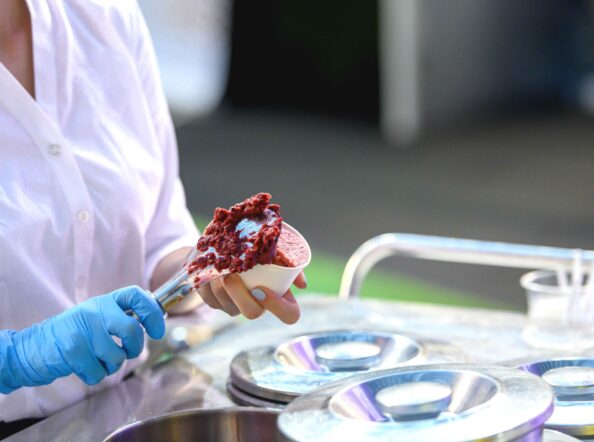
The clearest change is that dessert has become something guests do, not just eat. Build-your-own stations, a soft serve bar with a row of toppings, a sundae setup, a cookie-and-dip spread, give people a small decision to make and a reason to gather. Planners like them because they pace the room: a line that moves, a station that draws a crowd without a seated course. For the host, one station can stand in for both the dessert and part of the entertainment.
The drink moment
Coffee service at events has shifted from a hot urn in the corner to something people actually want to order. Iced coffee and matcha bars are the version that draws a line, and in Miami an iced drink makes far more sense than a hot one most of the year. The non-alcoholic side is growing fast, with matcha and mocktails doing the work a cocktail used to, and trade coverage has started calling it out by name, matcha over margaritas. A drink station also gives non-drinkers and daytime events something to center on.

Dietary inclusivity built in, not bolted on
Dietary needs used to be an afterthought, a lonely tray of “special” options at the end of the table. The current approach builds the whole station so most of the crowd can eat from it. Dairy-free and gluten-free desserts that taste like the real thing, rather than a substitute, let one setup serve vegans, celiacs, and everyone else without a separate plate. For a Miami crowd, where dietary preferences run wide, that is less a trend than a baseline guests now expect.
Stations built for the camera
Events are planned with the camera in mind, and dessert is a natural photo moment. Carts and stations styled to the event, color-matched, logo’d, dressed to match the room, pull double duty as decor and as the thing people post. It shows up most at brand activations and launches, where the dessert itself carries the branding, but weddings and private parties borrow the idea too. A styled soft serve cart, like Banana Daddy’s hot pink one, works as a centerpiece as much as a dessert. The format tends to sell itself in a feed.

Grazing and minis over one big cake
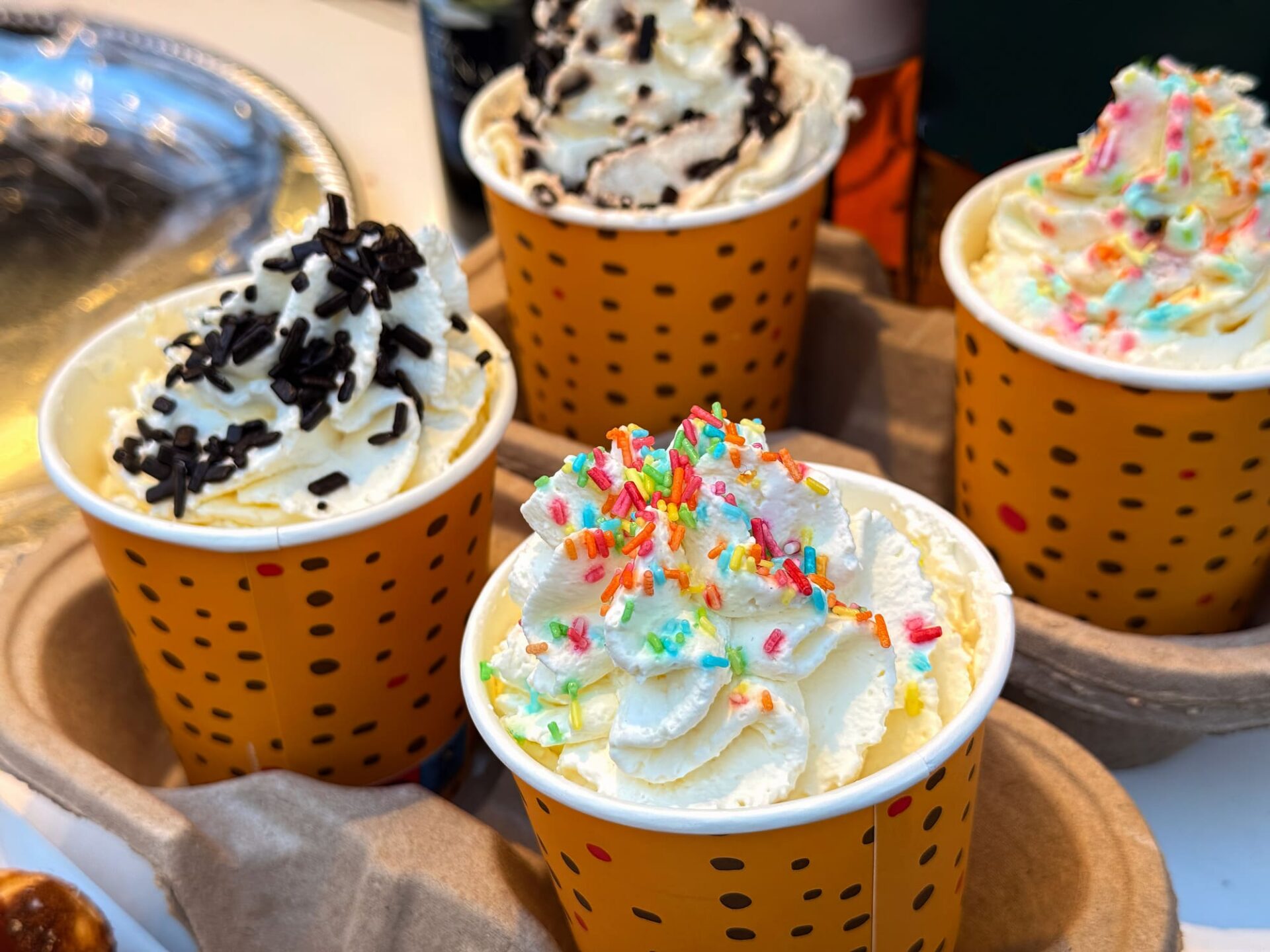
The single towering cake is losing ground to spreads of small things: mini desserts, dessert grazing tables, a mix of bites instead of one centerpiece. Guests get variety and built-in portion control, hosts get something that serves a crowd without a formal cake-cutting. At weddings this shows up as cake alternatives, a dessert table or a stack of small cakes instead of five tiers. The appeal is the same across event types, more choice and less commitment to a single flavor.
What a dessert station costs and how to plan it
Cost tracks the format more than the headcount. A drop-off platter sits at the low end; a staffed build-your-own or branded station runs higher, because you are paying for the setup, the service, and sometimes custom flavors or packaging. The bigger variables are whether the station is staffed, how custom the branding is, and your guest count. Lead time matters too, especially for anything custom, so the earlier you book the more a caterer can do with it. For an actual number, most caterers quote against your date, headcount, and format rather than a flat menu price.
Share this article