
How to Schedule Food Trucks for Your Miami Office: Midtown to Downtown
How to Schedule Food Trucks for Your Miami Office: Midtown to Downtown
Miami offices don't do boring perks. On-site food should be deliberate and visible, worth leaving a meeting for. Scheduling a food truck comes down to logistics and timing. Understanding how buildings actually work is the edge. The good news is it's very doable when you know the flow.
From permits and insurance to parking access and building approvals, this is about setting things up clean so the day runs smooth. No last-minute scrambles. No awkward emails to facilities. When you see how easy it is to schedule food trucks for your Miami office, you'll be doing it on the regs. Think coffee, snacks, handhelds, and treats. Repeatable move.
Navigating Permit Requirements for Miami Office Events
Permits are where most office food truck plans wobble. Buildings care about liability. Cities care about placement. Knowing which rules apply before you book keeps everything calm and approved instead of tense and last-minute. Standards change by neighborhood: Midtown differs from Downtown, and the Design District adds its own rules.

Design District Building Compliance
Design District offices run refined for a reason. Most properties require advance notice, often 48 to 72 hours, plus a certificate of insurance listing the building as additionally insured. Property management usually assigns specific vendor zones and reviews truck appearance to match the district's tone. Visible generators and loud setups are often restricted. Expect approval timelines that stretch a couple of weeks and a required on-site contact for day-of coordination.
Downtown Miami Street Permits
Downtown runs on city rules first. Food trucks need a valid Certificate of Use, mobile food permits, and current business tax receipts before wheels touch pavement. Public street parking is typically off limits, so private property access matters. Trucks must meet zoning, fire, and vehicle requirements, with documentation submitted through city departments in advance. When permits and behind-the-scenes stuff is locked in early, Downtown events run uninterrupted.
Coordinating Parking and Access for Food Trucks
Parking is the make-or-break detail nobody wants to troubleshoot at noon. Food trucks need space that works for the building, the city, and your employees. When access is clear and approved ahead of time, service stays smooth, and nobody is watching the curb like it owes them money.
Wynwood Street Parking Strategies
Wynwood offices live in a creative zone, which means flexibility matters. Most trucks stage in pre-approved curbside areas or private lots tied to galleries and office buildings. Timing is everything here. Arrivals outside peak art walk hours will keep things calm and citation-free. Confirm truck dimensions early. Some streets tighten fast. When events overlap with markets or openings, loop in neighborhood groups so waste flow and foot traffic stay manageable instead of chaotic.
Midtown Property Management Coordination
Midtown buildings like plans that arrive complete. Written approval for parking, power access, and service windows is standard. Courtyards and loading zones are common setups, especially for dessert-focused trucks. Property managers move faster when details are clear from the start. In mixed-use buildings, respect residents by limiting generator use and keeping service hours reasonable. Midtown rewards planners who think ahead and respect the shared space.
The Booking Process: From Inquiry to Execution
Once location and permits are handled, booking becomes a timing exercise. Good office food truck events feel effortless because the planning happened well ahead of time. Dates get locked; details get confirmed. Nobody is panic-texting a vendor the morning of. This is the part where structure saves the vibe.
Advance Booking Requirements
The best food trucks in Miami book fast, especially in winter and around holidays. Standard office dates usually need a few weeks of lead time. Larger corporate gatherings or peak season events need more runway. Early booking allows accurate headcount planning, menu alignment, and staffing that matches demand. Winter drives competition. Summer opens flexibility, especially for afternoon dessert service. Lunch hours fill first. Mid-morning or mid-afternoon windows often come with more availability and a smoother flow.
Event Day Coordination
Food trucks should arrive early enough to set up without pressure. Clear access to the approved spot matters more than proximity. One on-site contact keeps communication streamlined. Employee announcements sent a day or two ahead boost turnout and reduce confusion. Service windows should match office size and release timing. When start times align with schedules, lines stay reasonable, and productivity stays intact.
Payment Methods and Corporate Billing: Streamlined Financial Processes
Office food should feel effortless and fun, not financially messy. The right payment setup simplifies approvals and keeps accounting low-stress. Clean billing is what turns a good idea into a repeatable move.
Corporate Card Processing
Most food trucks process cards on site, making same-day confirmation easy. Corporate cards work well for everything from pilot events to appreciation days. Digital receipts land instantly with itemized details, so expense reports don't turn into a scavenger hunt. Card payments also keep things flexible when headcount shifts or timing changes. Fast approval. Clear records, without chasing paperwork after the treats are gone.
Invoice and Account Billing
Repeat bookings benefit from predictable invoicing. Setting up a vendor account allows for scheduled service without re-approving every visit. Monthly invoices roll multiple events into one statement, saving time and reducing admin drag. Net terms align with standard accounts payable cycles, and itemized billing makes budget tracking straightforward. This is the lane for teams building food trucks into office culture, not just special occasions.
Recurring Service Programs: Building a Consistent Office Culture
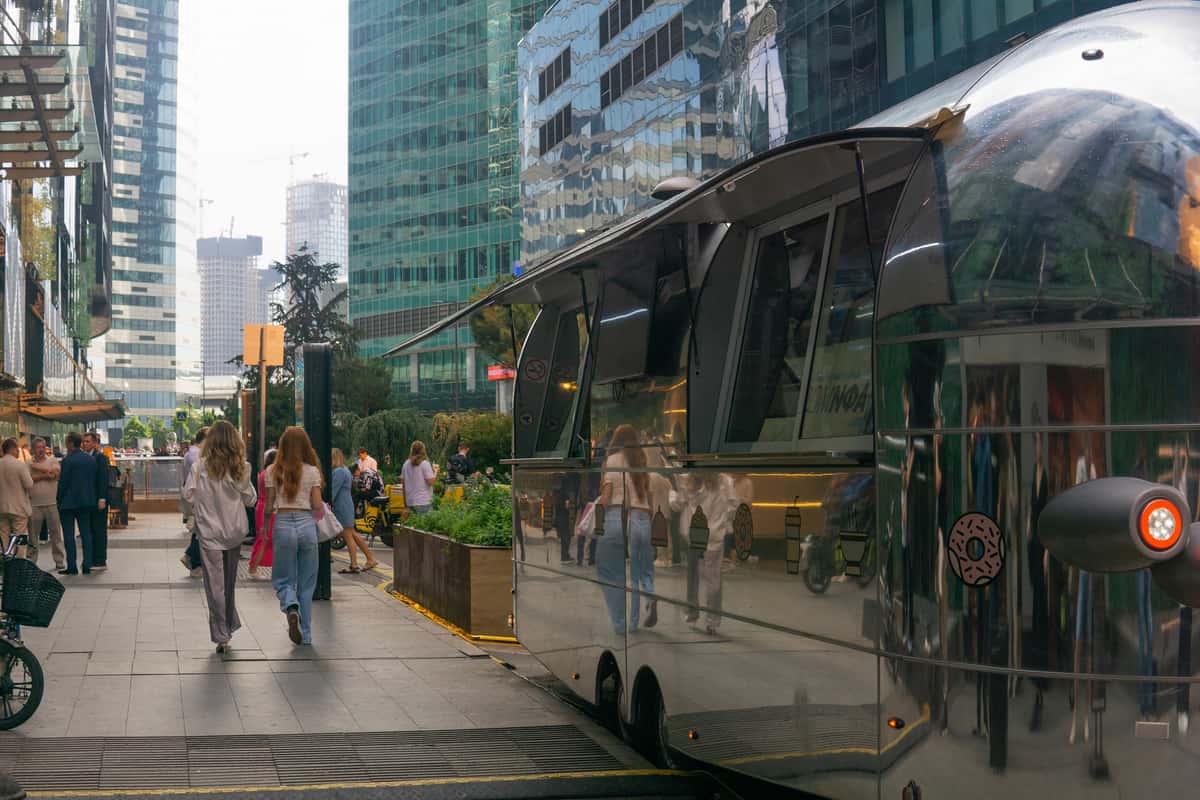
One-off food truck days are fun. Recurring ones change behavior. When trucks show up on a schedule, employees look forward to it and plan around it. Consistency builds momentum, better vendor relationships, and smoother approvals over time. This is how food becomes part of culture, not a surprise interruption.
Weekly Downtown Team Programs
Weekly programs work best when timing stays locked. Same day. Same window. Same access point. Downtown offices benefit once permits and parking zones are pre-approved, which removes friction after week one. Employees start expecting it. Teams overlap naturally. In-office days feel worth showing up for. A reliable dessert or coffee stop gives people a shared pause without killing productivity.
Monthly Celebration Schedules
Monthly programs make room to make it special. Teams tie food truck visits to launches, milestones, end-of-quarter wins, and when teams need a midweek boost. Dessert-focused trucks help separate celebration days from routine weeks without extra planning. Booking further out secures preferred vendors and avoids calendar pileups. Over time, these moments become markers. Progress gets acknowledged. Culture feels lived in, not posted about.
Office Perks, Done Right with Miami Food Trucks
Food trucks work best when they're thoughtfully planned. Clear approvals. Clean access. Timing that respects the workday. From corporate catering bookings in Midtown to office dessert moments in Wynwood, the offices that get it right make food part of the culture instead of a disruption.
That's where Banana Daddy fits right in. Banana-based swirls and frozen coffee that even your lactose-intolerant boss will obsess over. Dairy-free, vegan, gluten-free. No one sits out. Built for office flow. Finally, a dessert and coffee break that won't embarrass your brand.